02 March 2010: We are pleased to announce that we have been awarded ISO 14001:2004 certification. ISO 14001:2004 is the internationally recognised standard for an organisation's Environmental Management System.
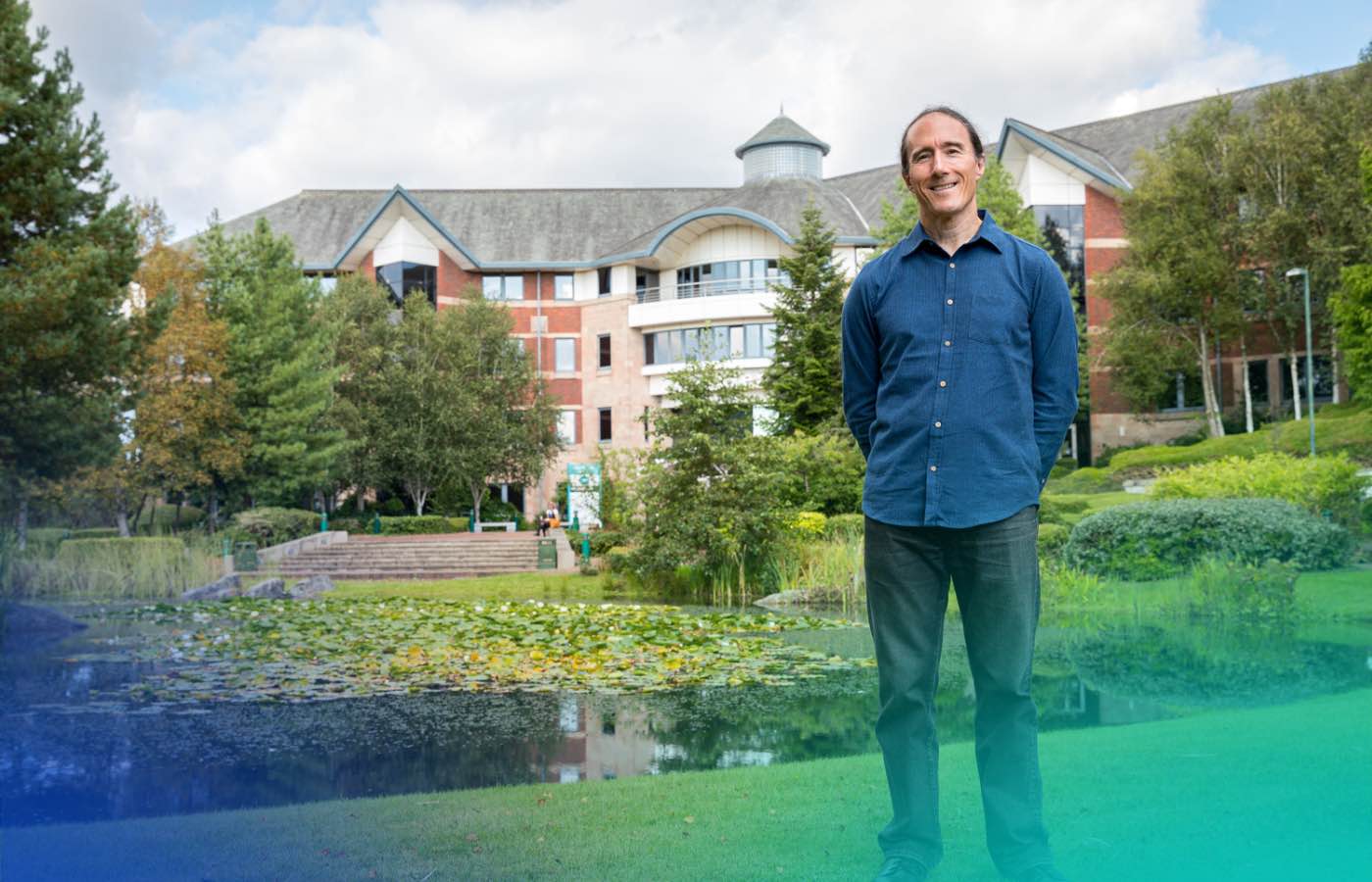
After moving into our new Head Quarters at Sandbrook Park in 2008, Zen's Senior Management Team issued an appeal to all employees for ideas on reducing its impact on the environment; the initiative was labelled 'Going Greener'.
The Going Greener team worked on introducing a structured and documented environmental management system that would allow us to meet the requirements of the ISO 14001:2004 certification.
Successes achieved by the team so far include:
- Monthly CO2 emissions from business travel has been reduced by around 30% since the beginning of 2009
- Monthly CO2 emissions from the HQ building has been reduced by around 15% since the beginning of 2009
- 94% of waste is now recycled by Zen's waste supplier or has been sent to be converted into 'Refuse Derived Fuel'.
- The equivalent of 335 trees has been saved thanks to the introduction of a 'no bin' policy, which encourages employees to recycle their waste at various recycling stations around the building.
- Introduction of various initiatives including 'Switch Me On'. This project will allow employees to request that their computer is automatically switched on at a time of their choosing each day.
- Other projects include looking at improving lighting controls and using more environmentally friendly printers.
Through the ISO 14001:2004 certification we now have a full understanding of our impact on the environment and this is an important milestone in a continual improvement process to become a 'greener' business. We are using best practice to ensure all employees can engage and contribute to this process. We are committed to our environmental strategy and improving efficiency whilst reducing our impact on the environment
Andrew Saunders, Head of Product Management and Marketing
Zen's ongoing environmental strategy includes:
- Improving the efficiency in the consumption of energy and other natural resources
- Complying with legal and regulatory requirements, ensuring prevention of pollution
- Minimising waste and recycle as much as is practical
- Safely manage chemicals and hazardous substances
- Minimising air emissions through management of travel and exhaust of waste gases from the building
- Adhering to the good neighbour policy
- Working in partnership with suppliers to minimise further impact